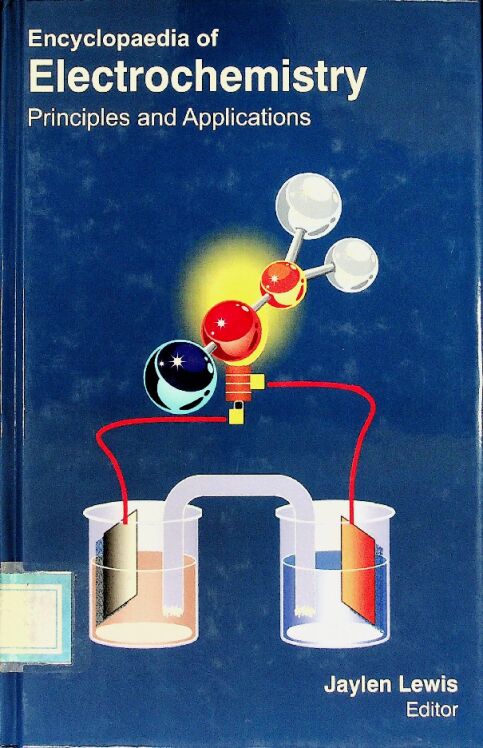
书名:Encyclopaedia of electrochemistry
ISBN\ISSN:9781781540121,1781540128
出版时间:2012
出版社:Auris Reference,
前言
Most metals used in the construction of facilities are subject to corrosion. This is due to the high energy content of the elements in metallic form. In nature, most metals are found in chemical combination with other elements. These metallic ores are refined by man and formed into metals and alloys. As the energy con tent of the metals and alloys is higher than that of their ores, chemical re-combination of the metals to form ore like compounds is a natural process. Corrosion of metals takes place through the action of electrochemical cells. Alt hough this single mechanism is responsible, the corrosion can t ake many forms. Through an understanding of the electrochemical cell and how it can act to cause the various forms of corrosion, the natural tendency of metals to suffer corrosion can be overcome and equipment that is resistant to failure by corrosion can be designed. As in all chemical reactions, corrosion reactions occur through an exchange of electrons. In electrochemical reactions, the electrons are produced by a chemical reaction, the oxidation, in one area, the anode, travel through a metallic path and are consumed through a different chemical reaction in another area, the cathode. In some cases, such as the common dry cell battery, electrochemical reactions can be used to supply useful amo unts of elec trical curren t. In marine corrosion, however, the most common result is the transformation of complex and expensive equipment to useless junk.
In order for electrochemical reactions to occur, four components must be present and active. These components are the anode, cathode, electron path, and electrolyte. In an electrochemical cell, the anode is the site where electrons are produced through the chemical activity of the metal. The anode is the area where metal loss occurs. The metal loses electrons and migrates from the metal surface through the environment. The electrons remain in the metal but are free to move about in response to volt age gradien ts. The cat hode in an electrochemical cell is the site where electrons are consumed. For each electron that is produced at an anodic site, an electron must be consumed at a cathodic site. No metal loss occurs at sites that are tot ally cathodic.
In order for electrons to flow from the anodic sites to cathodic sites, the electrons migrate through a metallic path. This migration occurs due to a voltage difference between the anodic and cathodic reactions. Electrons can move easily only through metals and some non-metals such as graphite. Electrons from electrochemical reactions cannot move through insulating materials such as most plastics nor can they directly enter water or air. In some cases, the electron path is the corroding metal itself, in other cases, the electron path is through an external electrical path. Electrolytes are solutions that can conduct electrical currents through the movement of charged chemical constituents called ions. Positive and negative ions are present in equal amounts. Positive ions tend to migrate away from anodic areas and towatd cathodic areas. Negative ions tend to migrate away from cathodic areas and towards anodic areas・ Metal loss at anodic sites in an electrochemical cell occurs when the metal atoms give up one or more electrons and move into the electrolyte as positively charged ions.
This book will be found useful by those who wish to make a more det ailed study of the to pics discussed.
查看更多
目录
Preface vii
1. Automotive Battery Use and Maintenance • Lantern Battery • Nanobatteries • Nanowire Battery • Polaroid SX-70 • Image Manipulation • Photoflash Battery • Nonvolatile BIOS Memory 1
2. Common Battery Commodity Cell • Electric Vehicle Battery • Battery Types • Travel Range before Recharging and Trailers • Carbon Nanotube Battery • Telecommunications Networks and Data Centres • Components of Thin Film Battery • Water-activa ted Battery • Zamboni Pile 24
3. Corrosion Galvanic Corrosion • Preventing Galvanic Corrosion • Galvanic Series • Passivation • Pitting Corrosion • Crevice Corrosion • Str ess Corrosion Cracking 53
4. Intergranular Corrosion' Microbial Corrosion • Other Widely Used Specifications • Galvanization • Eventual Corrosion • Controlled Permeability Formwork • Basic Elements of CPF Systems 74
5. Corrosion in Space Solving Corrosion • Electronegativity • Electronegativities of the Elements • Trends in Electronegativity • Electropositivity • Electrical Resis tivity Measuremen t of Concrete • Galvanic Anode 99
6. Electrolysis Oxidation and Reduction at the Electrodes • Faraday's Laws of Electrolysis • Competing Half-reactions in Solution Electrolysis • Electrolysis of Water • Hofmann Voltameter • High-pressure Electrolysis • High-temperature Electrolysis • The Market for Hydrogen Production • Faraday's Laws of Electrolysis • Electrochemical Potential • Electrochemical Gradient • Membrane Potential • Facilitated Diffusion and Transport • Volt age-Dependent Channels • Nanoelectrochemistry • Reactivity Series • Comparison with Standard Electrode Potentials 116
7. Bioelectromagnetism Bioelectrochemistry • Bioelectrochemical Reactor • Electrochemical Engineering • Magnetoelectrochemistry • Isotope Electrochemistry • Electrochemical Reduction of Carbon Dioxide • Elec tromet hanogenesis • Con tact Electrification • Dielectric Spectroscopy • Dynamic Behaviour 174
8. Electroanalytical Method Frost Diagram • pH Dependence • Electrochemiluminescence • Photoelectrochemical Cell • Photoelectrochemical Reduction of CO_2 • Absolute Electrode Potential • Bipolar Electrochemistry • Biophotovoltaic • Electrical Conductivity Metre • Electro • Osmosis • Electrocapillarity 191
9. Electrocatalyst Ethanol Fuel Cells • Electrochemical Kinetics • Electrochemical Noise • Electrochemical Fluorination • Electrochemical Window • Electrochlorination • Electrode Potential • Working Electrode • Ultramicroelectrode • Rotating Ring-disk Electrode • Hanging Mercury Drop Electrode • Dropping Mercury Electrode • Auxiliary Electrode • Reference Electrode • Nonaqueous Reference Electrodes • Electron Acceptor • Electron Donor 211
10. Electrochemical Cell Exchange Current Density • Extracellular Field Potential • Faradaic Current • Faraday Constant • Faraday Efficiency • Faraday Paradox (Electrochemistry • Camille Alphonse Faure • FFC Cambridge Process • Galvani Potential • Half-Cell • Half�Reaction • Halorespiration • Ion Transport Number • Ionic Partition Diagram • Ionic Strength • Quantifying Ionic Strength • Latimer Diagram • Limiting Current • Linker DNA • Lolland Hydrogen Community • User:MagnInd/EEC • Marchywka Eflfect • Discovery and Development • Mercury Beating Heart • Mixed Potential Theory • Molar Conductivity • Nanofluidic Circuitry • Size Effect of Nanostruetures • Non-faradaic Electrochemical Modification of Catalytic Activity • Oxidising Agent • Partial Current • Paschen's Law 238
Bibliography 291
Index 295
查看PDF
查看更多
作者简介
Jaylen Lewis is a principal investigator at the Department of Ceramics and Glass Engineering,University of Melbourne.Having received his doctoral degree in physical chemistry from the Belarus State University in1993, Dr. Lewis has published over 280 scientific papers in internationalSCI journals, including 10 reviews, and coauthored over 40 papers in other refereed journals and volumes, 3 books and 2 patents.
查看更多
馆藏单位
中科院文献情报中心