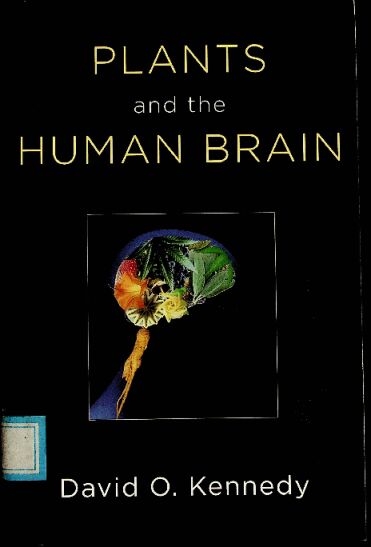
书名:Plants and the human brain
出版时间:2014
出版社:Oxford University Press,
摘要
We're all familiar with the idea that plant-derived chemicals can have an impact on the functioning of the human brain. Most of us reach for a cup of coffee or tea in the morning, many of us occasionally eat some chocolate, some smoke a cigarette or take an herbal supplement, and some people use illicit drugs. We know a great deal about the mechanisms by which the psychoactive components of these various products have their effects on human brain function, but the question of why they have these effects has been almost totally ignored. This book sets out to describe not only how, but more importantly why, plant- and fungus-derived chemicals have their effects on the human brain. The answer to this last question resides, in part, with the terrestrial world's two dominant life forms, the plants and the insects, and the many ecological roles the 'secondary metabolite' plant chemicals are trying to play; for instance, defending the plant against insect herbivores whilst attracting insect pollinators. The answer also resides in the intersecting genetic heritage of mammals, plants, and insects and the surprising biological similarities between the three taxa. In particular it revolves around the close correspondence between the brains of insects and humans, and the intercellular signaling pathways shared by plants and humans. Plants and the Human Brain describes and discusses both how and why phytochemicals affect brain function with respect to the three main groups of secondary metabolites: the alkaloids, which provide us with a host of poisons, a handful of hallucinogens, and most drugs of abuse (e.g. morphine, cocaine and nicotine); the phenolics, which constitute a significant and beneficial part of our natural diet; and the terpenes, a group of multifunctional compounds which provide us with the active components of cannabis and a multitude of herbal extracts.
查看更多
目录
1 From Shamans to Starbucks 3
A Brief History of Psychoactive Plants and Fungi 6
Antiquity 6
Middle Ages (5th to 15th Centuries) 10
Renaissance and the Age of Discovery 11
The Modern Era 19
What Does It All Mean? 23
2 Secondary Metabolites and the Life of Plants 24
The Evolution of Plants and Insects 25
The Evolution of the Synthesis of Secondary Metabolites 28
The Co-evolution of Secondary Metabolites and Insects 31
The Role of Secondary Metabolites in the Life of Plants 34
Defense Against Herbivory 35
Attraction 36
Plant-Microbe Symbiotic Chemical Interactions 39
Plant- Plant Chemical Interactions 39
Defense Against Microbes and Other Stressors 41
A Word About Secondary Metabolite Synthetic Pathways 41
Summary 43
3 More Alike Than We Are Unalike-Why Do Plant Chemicals Affect the Human Brain? 44
The Similarities Between Plants and Animals 45
Receptors and Signaling Cascades 45
Mammalian Neurotransmitters, Neurochemicals,and Receptors? 47
Plant Secondary Metabolites? 51
Immune and Stress Responses 52
Molecular Clocks 54
Similarities in the Insect and Human Central Nervous Systems 55
Neurochemicals and Receptors 56
Insect Models of Human Systems and Behavior 59
Why Do Plant Secondary Metabolites Affect Human Brain Function? 60
4 Alkaloids and the Lives of Plants and Humans 65
Structures and Synthesis 66
I Evolution of Alkaloid Synthesis 67
Ecological Roles of Alkaloids 69
Defense Against Herbivory 69
Antimicrobial Properties 71
Allelopathic Properties 71
Modes of Action 72
Modes of Action Related to Brain Function 72
Alkaloids Derived from L-phenylalanine/L-tyrosine 73
Alkaloids Derived from L-tryptophan 75
Alkaloids Derived from Purine 77
Alkaloids with Activity Unrelated to Common Precursors 78
Alkaloids as Neuropharmacological Probes 79
Alkaloids and the Insect Nervous System 80
Some Conclusions 85
5 The Rewarding or AddJctive Drugs 86
Morphine 87
Ecological Roles of Opiates and Brain Function 90
The Psychostimulants (Cocaine, Ephedrine, Cathinone,Amphetamine, Methamphetamine) 90
Cocaine 92
Ephedrine 93
Amphetamine/Methamphetarnine 94
Cathinone 95
Ecological Roles of Psychostimulant Secondary Metabolites and Brain Function 96
Caffeine 97
Ecological Roles of Caffeine and Brain Function 100
The Paradox of Drug Reward 101
6 The Hallucinogens 104
A Common Mechanism of Action? 105
Ecological Roles of Hallucinogens-Some General Observations 107
The Phenethylarnines 108
Mescaline (3,4,5-Trimethoxy-phenethylarnine) 108
Ergot Alkaloids: Lysergic Acid Derivatives 111
Lysergic Acid Diethylamide (LSD) 112
Lysergic Acid Amide 113
Ecological Roles of Ergot Alkaloids and Brain Function 115
Simple Tryptarnines 116
Psilocybin/Psilocin 116
Dimethyltryptamine and Derivatives 119
Ibogaine 122
Ecological Roles of Simple Tryptamines and Brain Function 123
The Deliriants-The Nightshade (Solanaceae) Family 125
Nicotine 126
Ecological Roles of Nicotine and Brain Function 129
Hyoscyarnine, Scopolamine, and Atropine 131
Ecological Roles of the Tropane Alkaloids and Brain Function 136
The antidote to Hyoscyamine, Scopolamine, and Atropine:The Cholinesterase Inhibitors 137
8 Phenolics and the Lives of Plants and Animals 143
Phenolics in the Life of Plants-Ecological Roles 146
Phenolics in the Life of Humans 149
What Have the Plants Ever Done for Us?-Vitamins 153
Why Do Polyphenols Have Beneficial Effects on Human Brain Function? 156
Similarities in Hormonal Stress Signaling Between Plants and Animals 156
The Plant Signaling Roles of Polyphenols 158
Cross-Kingdom Signaling Between Plants and Humans by Polyphenols and Other Phenolics 160
What Relevance Does This Have to the Effects of Polyphenols on Human Brain Function? 164
Some Conclusions 166
9 Phenolics and the Human Brain 168
Mechanisms of Action- Flavonoids 168
Cognitive Function 168
Neuroinflarnmation and Neuroprotection 170
Flavonoids, Other Polyphenols, and Human Brain Function 171
Flavanols 171
Anthocyanins 175
lsoflavones (and Other) Phytoestrogens 176
Non-flavonoid Polyphenols 179
Resveratrol 179
Curcumin 181
Phenolic Acids 181
Atypical Phenolics 182
Kavalactones (from Piper methysticum) 182
Hypericum perforntum (St. John's Wort) 183
Intervention Studies with Phenolics: Some Conclusions 184
The Ecological (or Primary) Roles of Phenolics and the Human Brain 185
Unintentional Cross-Kingdom Signaling? 185
Unintended Targets of Intentional Cross-Kingdom Signaling? 186
And Finally, a Few More Conclusions 189
10 Terpenes and the Lives of Plants and Animals 193
Terpenes and the Lives of Plants:-Ecological Roles 195
Defense 195
Attraction 200
Terpenes and the Lives of Humans 203
Terpenes and Human Brain Function 205
Some Conclusions 209
11 The Lamiaceae Subtribe Salviinae-The Sa.lvia, Rosmarin us,and Melissa Genera 210
The Salvia genus: Sage 212
European Sage: Salvia officinalis and Salvia lavandulaefolia 212
Salvia divinorum 214
Some Other Salvia Species 218
Melissa officinalis (Lemon Balm) 219
Rosmarinus officinalis 221
Ecological Roles of the Salviinae Terpenes and Brain Function 223
Some Conclusions 225
12 Cannabis and the Cannabinoids 227
Cannabis and Reward 233
The Ecological Roles of Cannabinoids and Brain Function 234
13 Some Miscellaneous Terpenes 237
The Adaptogens-Modified Triterpenes from the Panax,Withania, and Bacopa Genera 237
The Panax Genus-Panax ginseng, Panax quinquefolius 239
Withania somnifera 241
Bacopa monnieri 243
Ecological Roles of the Terpene Adaptogens and Brain Function 244
Ginkgo biloba
Ecological Roles of Ginkgolides and Bilobalide and Brain Function 250
Valeriana officinalis (Valerian) 251
Ecological Roles of Valerian Secondary Metabolites and Brain Function 252
14 In Conclusion: Comparing and Contrasting the Alkaloids,Phenolics, and Terpenes 253
Future Directions? 260
References 263
Index 345
查看PDF
查看更多
馆藏单位
中科院文献情报中心